Company party on your own premises: checklist for planning, compliance & catering
A summer party, anniversary or classic on-site company celebration often saves venue hire and keeps your brand close to home—the car park becomes the stage, the courtyard the terrace, the warehouse your weather backup. The charm: no external house rules, no closing time, full alignment with your company.
To keep a good idea from turning into stress, structured preparation pays off. This checklist walks you through everything to clarify before the first sausage hits the grill and before invitations go out—from compliance and infrastructure to timeline and budget, food, programme and sustainability.
Note: This is general guidance, not legal advice. When in doubt, involve your local authority, insurer or qualified counsel.
1. The legal baseline—the “party pooper” check
Before music plays and guests arrive, a few formalities belong on the list. They are not red tape for its own sake—they protect the company, neighbours and guests, and lay the groundwork for a genuinely relaxed event.
Insurance: Check with your business liability policy (or the right cover) whether private or internal celebrations on the premises are included, and whether added risks—guests on site, third-party build teams, catering with open flame—are reflected. A short email to your insurer brings early clarity.
Permits: If you play loud music or erect tents above a certain size (often relevant from roughly 75 m²—limits vary by municipality), you may need to notify or register with the local public order office. Depending on the setup, a temporary licence to serve alcohol can also be relevant. Asking early avoids last-minute stress.
Performance rights: When non-exempt music is played in public, you usually need to report and settle via the relevant collecting society. Even “just a Bluetooth speaker” can matter—clarify the details before the event.
Fire safety & escape routes: Keep escape routes, hydrants and fire-service access clear. With tents, patio heaters, grills or open flame, fire extinguishers and a clear location belong on the list. Many company sites already have a fire-safety policy—a quick check is worth it.
Food hygiene: If you cook or serve on site yourself, basic hygiene rules apply (cold chain, hand hygiene, separated areas). The easiest route: bring in a professional caterer who supplies their own equipment, cooling and hygiene concepts.
Youth & occupational safety: Mind youth protection when serving alcohol (e.g. if apprentices or family members attend) and provide plenty of non-alcoholic alternatives. A well-considered drinks line-up is also a form of care.
2. Infrastructure & logistics
Your site is built for operations, not automatically for events. Work through the following:
Power & water: Are connections and capacity sufficient for catering trucks, cooling, coffee stations or a PA? Higher demand often means heavy-duty power or a clean distribution plan via qualified electricians—not something to discover on build day. Note the approximate load per station so the supply can be planned.
Sanitation: Are restrooms adequate for the expected headcount and easy to reach? If not, plan rental toilets or trailer units in good time—including lighting and signage for the evening.
Parking, access & accessibility: Where do guests park, and where do catering vehicles and deliveries go? Keep routes clear for emergency vehicles and provide accessible entrances and walkable paths—especially on gravel or industrial surfaces.
Weather backup: A tent, covered area or cleared hall is essential if you cannot shelter everyone in the rain. The alternative is soggy guests and long queues.
Safety: Hazards—machinery, pits, chemicals, unguarded edges—must be fenced off, signed or made safe for the duration. In short: the guest zone must actually be safe.
Waste, cleaning & handover: Plan for bins, separation and disposal—and clarify who hands the site back clean the next day. A good caterer takes their equipment and dirty dishes with them, so the site is quickly ready for operations again.
Build-up & breakdown times: Align delivery, set-up and tear-down windows with ongoing operations—including buffers so nothing clashes on the event day.
3. Timeline & responsibilities
Great parties aren’t built on the event day, but in the weeks before. How much lead time you need depends heavily on headcount—as a rough guide:
- up to ~100 guests: around 8–12 weeks of lead time
- ~100–250 guests: about 3–4 months
- 250–500+ guests: 4–6 months (more during peak season in summer or December)
Larger events bring more permits (tent, safety/fire concept, possibly traffic/parking), more infrastructure (power, sanitation, furniture) and tighter availability of caterers and suppliers—so plan generously here.
Whatever the size, a rough schedule keeps everyone in sync:
- Early (2–6 months before, depending on size): lock in date, budget range and headcount; request caterer, tech and tent if needed; check permits. For larger events, send a save-the-date early so the date is set.
- 6–8 weeks before: send invitations and collect RSVPs—earlier for big headcounts, so you get reliable numbers for catering and sanitation.
- 3–4 weeks before: finalise quantities with the caterer based on RSVPs; confirm weather backup, sanitation and furniture.
- 1 week before: share the run sheet, site map and contacts; confirm delivery times; do a short site walk-through.
- Day X: early build with buffer, brief the team, clear ownership of set-up, tear-down and the clean handover.
Responsibilities: Name one fixed contact per area (catering, tech, safety, reception). That way everyone knows who decides on the day—and you can celebrate instead of coordinate.
4. Budget & suppliers
A realistic budget prevents nasty surprises. Typical cost blocks:
- Food & drink: catering, food trucks, beverages, bar
- Technology: power/heavy-duty power, lighting, sound
- Furniture: tables, chairs, lounge, poseur tables, tent
- Sanitation & logistics: rental toilets, cleaning, disposal
- Décor & extras: lighting, branding, give-aways
So you don’t have to call ten different companies, a partner with a regional network pays off: one contact coordinates catering, bar and—on request—food trucks, furniture or tech. That saves time, coordination and nerves.
5. Food & atmosphere
Food is often the heart of the event—and sets how long the mood lasts.
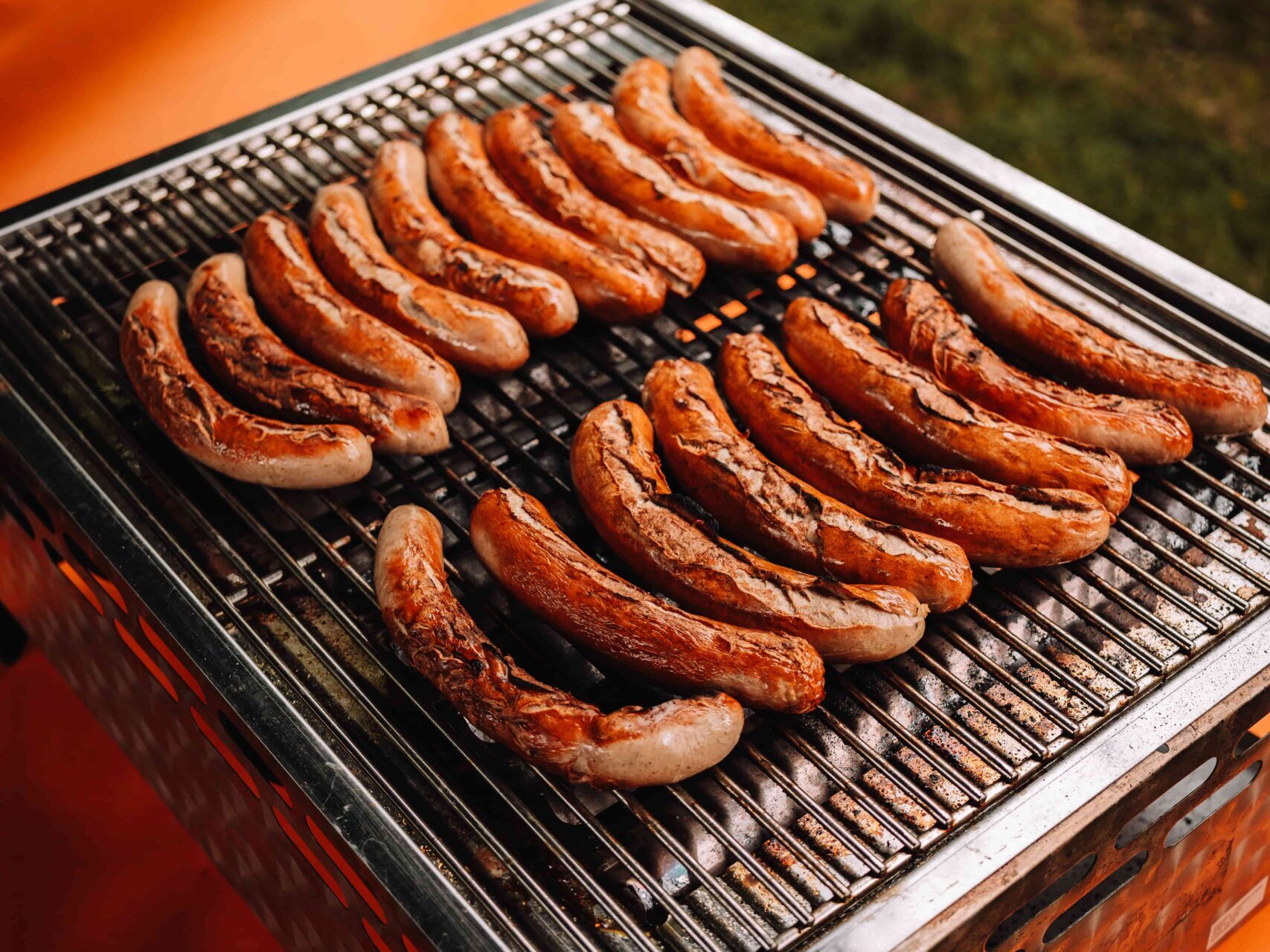
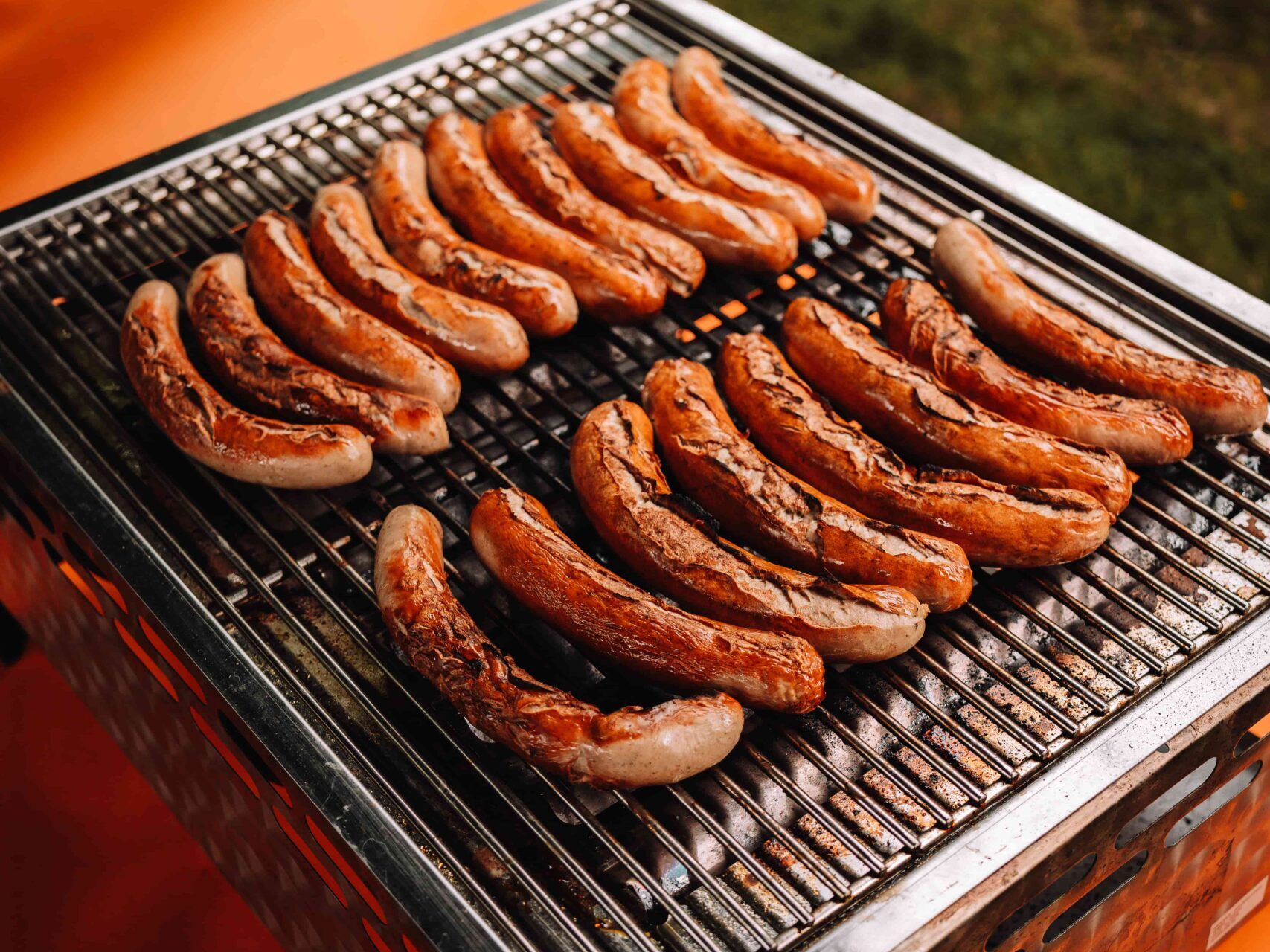
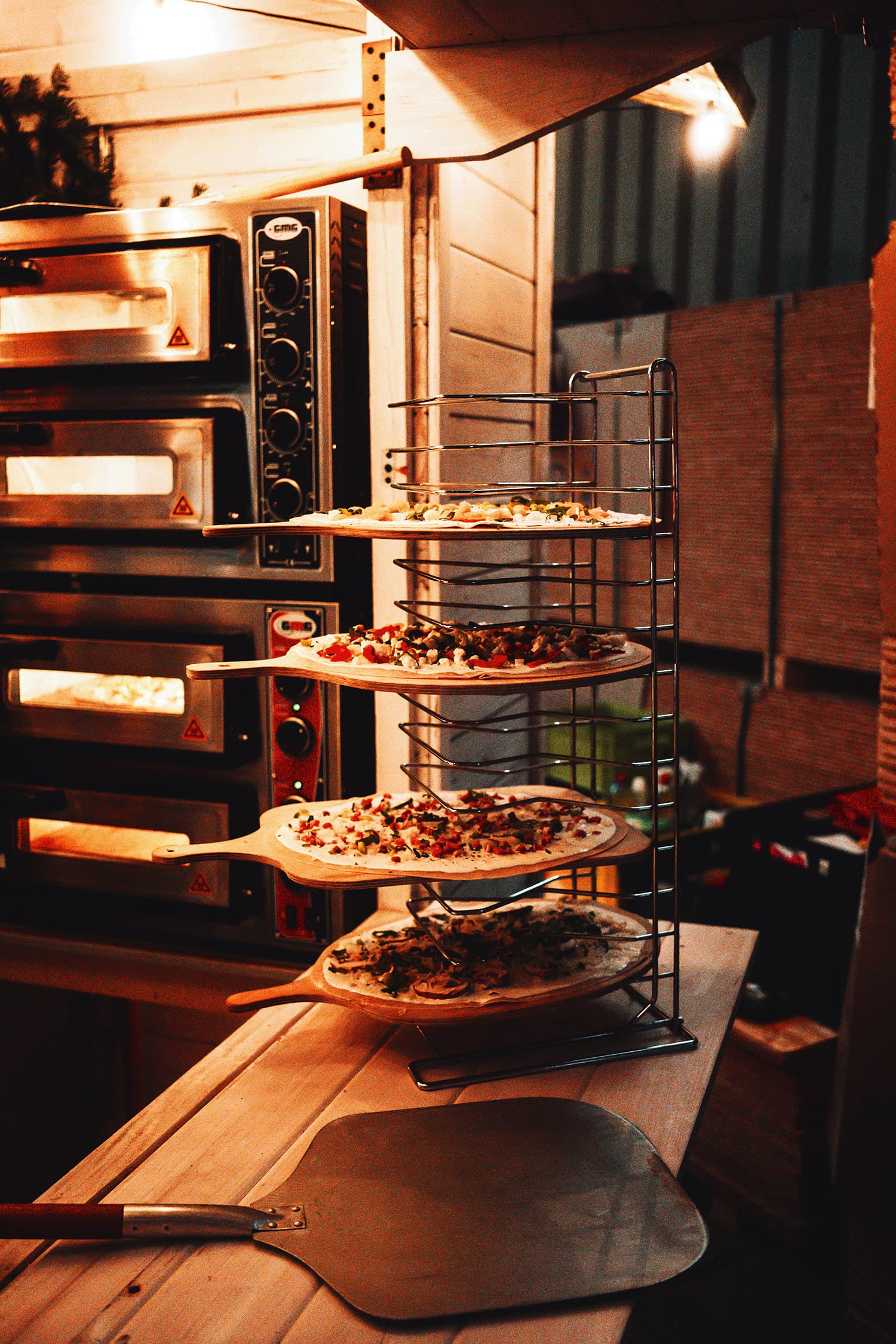
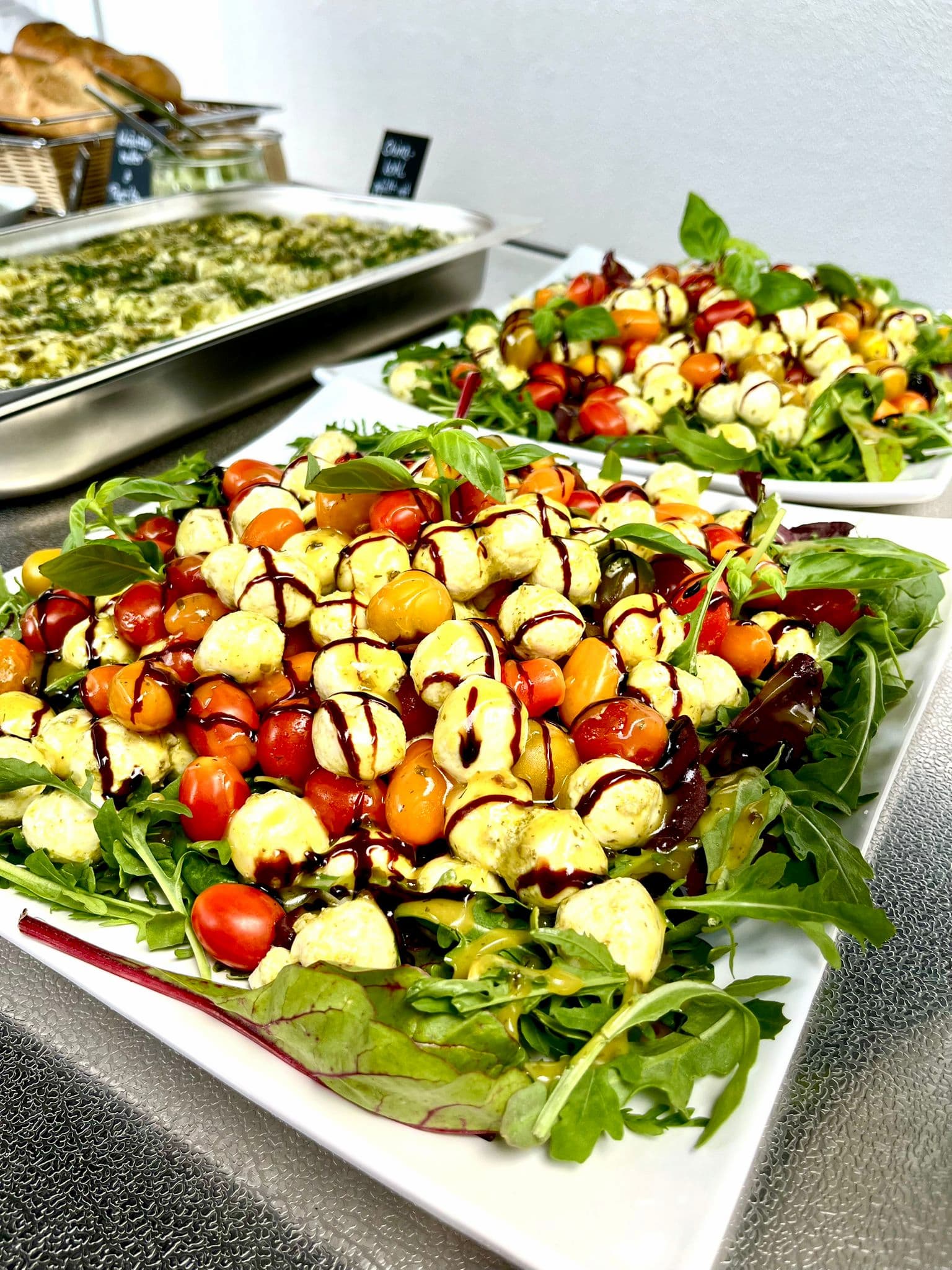
Catering: Food trucks and mobile stations work well on company sites: less strain on the works canteen, strong event character, clear flows. Whether grill, international menus, flammkuchen or a salad buffet—align capacity and timing with your caterer to avoid unnecessary queues.
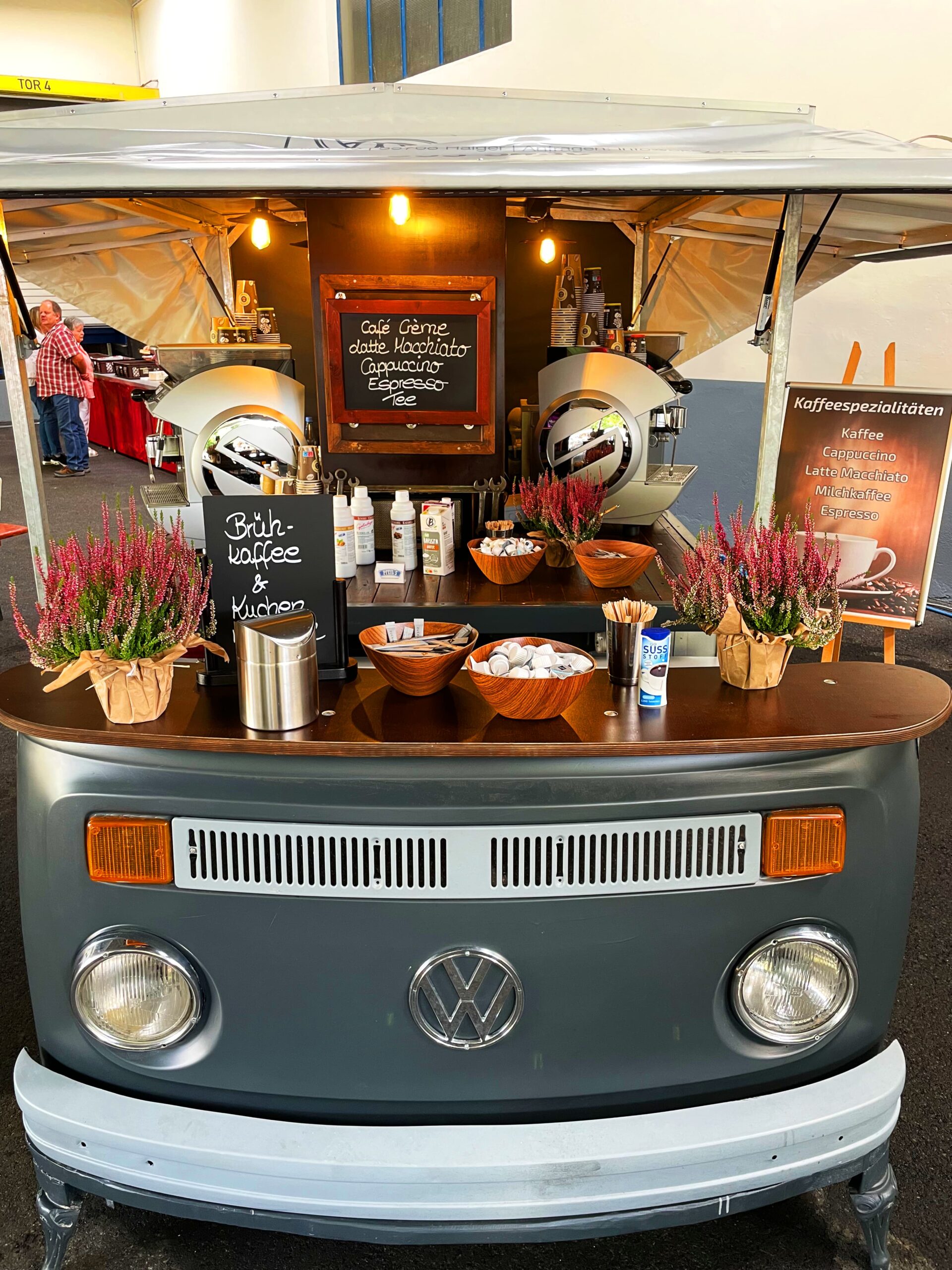
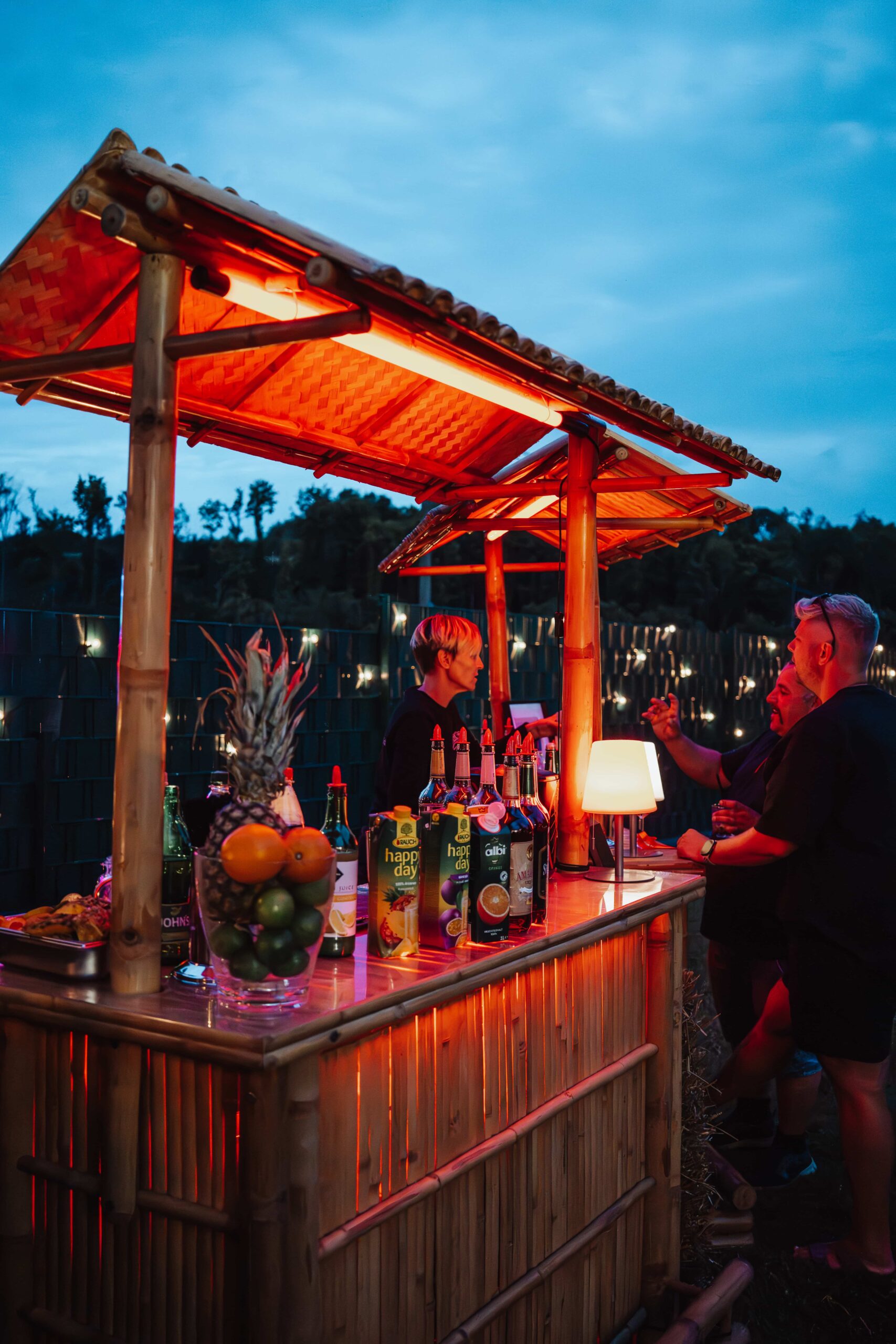
Cocktail catering: Buffet only, no bar? The night often ends sooner than you’d like. A mobile bar keeps people on site—and the small talk flowing. Don’t forget power (and cover if needed)—see above.
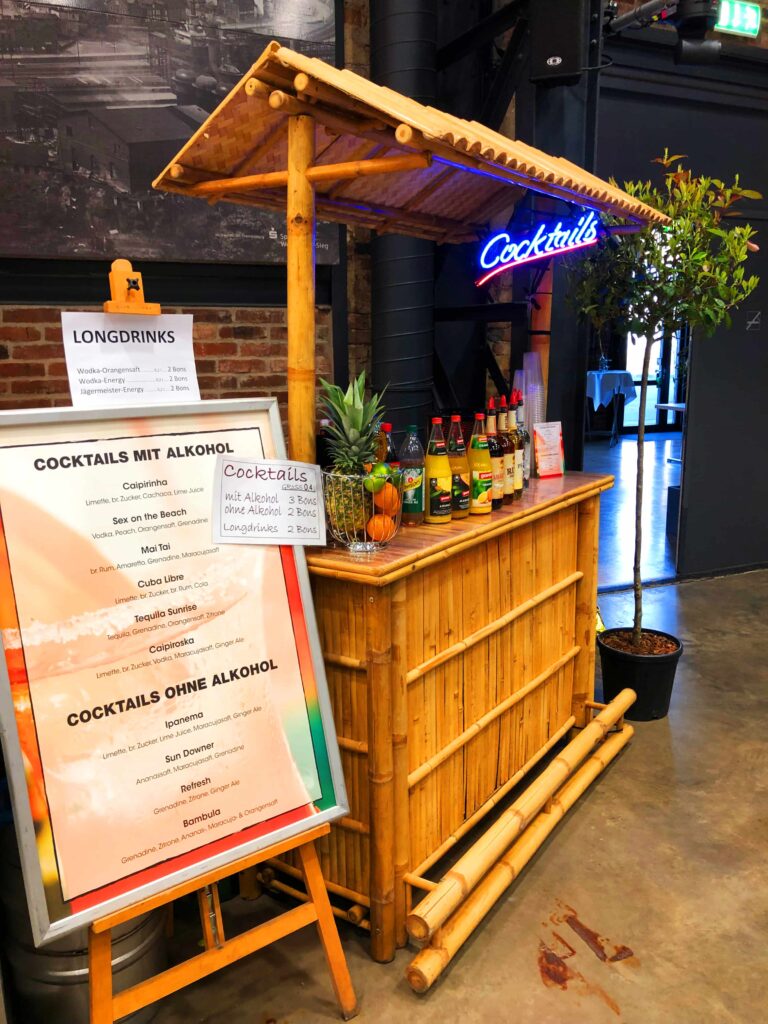
Mobile concepts: Formats like a bamboo bar or a cocktail trailer combine well with food trucks and bring bar atmosphere right onto the site—without fixed infrastructure.

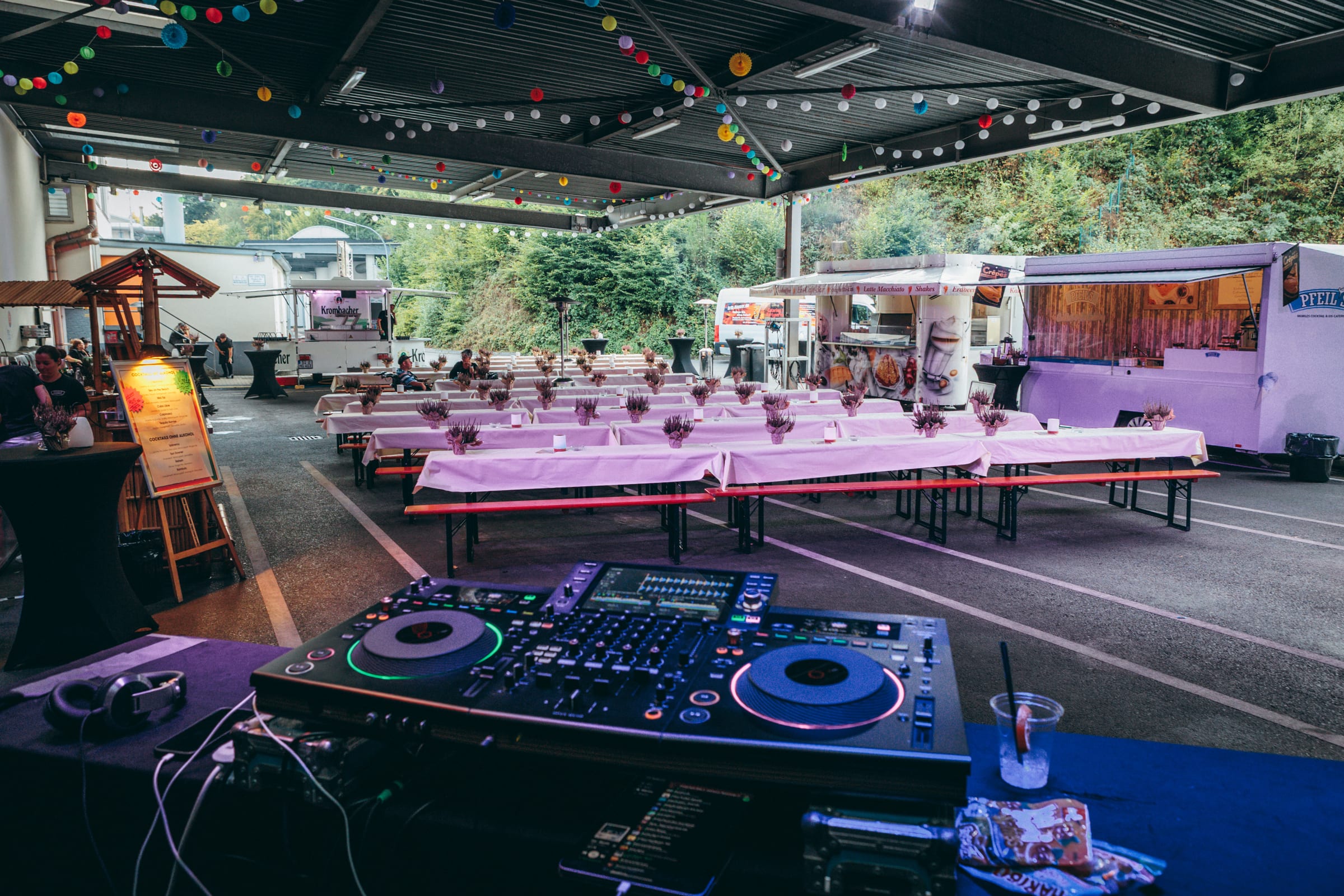
Furniture: Beer bench sets are the classic choice; lounge furniture, poseur tables and a few seating islands open up the space and encourage cross-team conversation.
Lighting: Fairy lights, targeted floodlights and warm light turn a grey car park into a welcoming venue in the evening—and improve safety on paths and dining areas.
Music & sound: From a subtle background playlist to a live band—plan volume, power supply and end times with neighbours and permits in mind (see section 1).
6. Programme & guest experience
A clear thread keeps the mood up without overloading the evening:
- Team building: A mini cocktail class or hands-on station breaks the ice between departments faster than any round of introductions.
- Interactive stations: Live cooking, a DIY bar or a small tasting give guests something to do—and something to talk about.
- Families & kids: For a family-friendly format, add non-alcoholic specials, ice cream or crêpes and a small play corner.
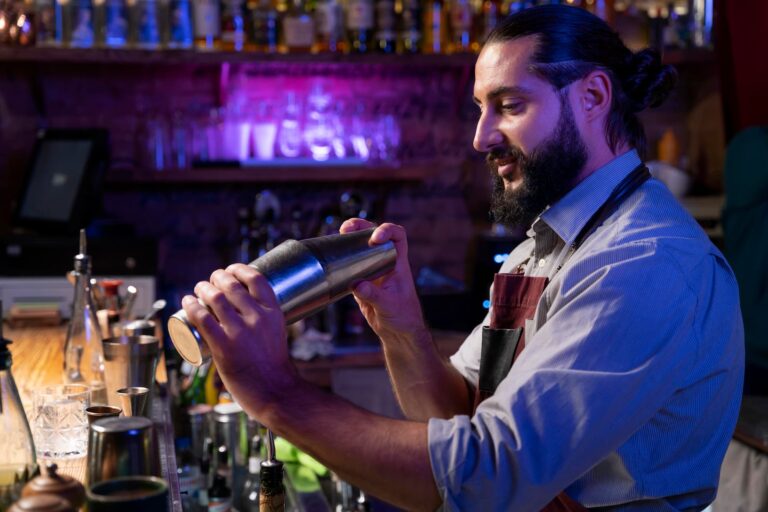
- Dramaturgy: A short welcome, one highlight (e.g. a bartender show) and a relaxed wind-down give the evening structure.

7. Sustainability & reusables
Celebrating sustainably is an expectation today—and good for your image:
- Reusable over single-use: quality glasses and tableware instead of mountains of plastic.
- Regional & seasonal: short distances for food and drinks, regional partners.
- Avoid waste: clear separation, less packaging, sensible quantities against food waste.
Look for high-quality reusable solutions: good providers take equipment and dirty dishes away after the party, so the site is clean and ready for business the next morning.
Pro tip: boost attendance
If the event is framed as team building or a fixed summer celebration and takes place during or right after working hours, attendance is often much higher than for a purely “extra” weekend slot. Clarity drives RSVPs—and planning certainty for catering and space. A clear date, a simple sign-up and an attractive programme are the best advertising for the event itself.
FAQ: on-site company party
How early should we start planning?
It depends heavily on headcount: for up to ~100 guests, 8–12 weeks is usually enough; for 100–250 guests, plan 3–4 months; and for 250–500+ guests, rather 4–6 months (more in peak season)—mainly because of permits, tents, sanitation and the availability of caterers and suppliers.
Do we need a permit for music or tents?
Often yes: loud music may need to be registered with the public order office, tents above a certain size as well, and non-exempt music usually requires a performance-rights settlement. The exact limits vary by municipality—ask early.
What if it rains?
Always plan a weather backup: a tent, covered area or a cleared hall. That keeps the party independent of the weather and avoids long queues under a small canopy.
What needs to be available on site?
At its core, just space and a standard power supply. Glasses, ice, poseur tables and the complete bar setup are usually brought by a mobile catering service. For higher power demand, heavy-duty power or distribution should be clarified in advance.
Is cocktail catering worth it for small teams?
Absolutely. In smaller groups especially, a professional bar creates real appreciation and a relaxed conversation you’d never get around a conference table.
Conclusion
An on-site company party is very doable when compliance, infrastructure, timeline and hospitality are thought through early. With clear responsibilities, a realistic budget and a well-planned catering setup, a car park turns into a real event space.
Whether you want a rustic grill party or a refined summer menu with a mobile bar, the concept can be tailored to headcount and style. Bundling catering, bar and coordination early with a single contact lets you focus on guests and atmosphere on the day, not the last power socket.
If you’re looking for support with the bar and cocktail catering, we at Pfeil’s Catering are happy to help—get in touch.